Recognizing the telltale signs
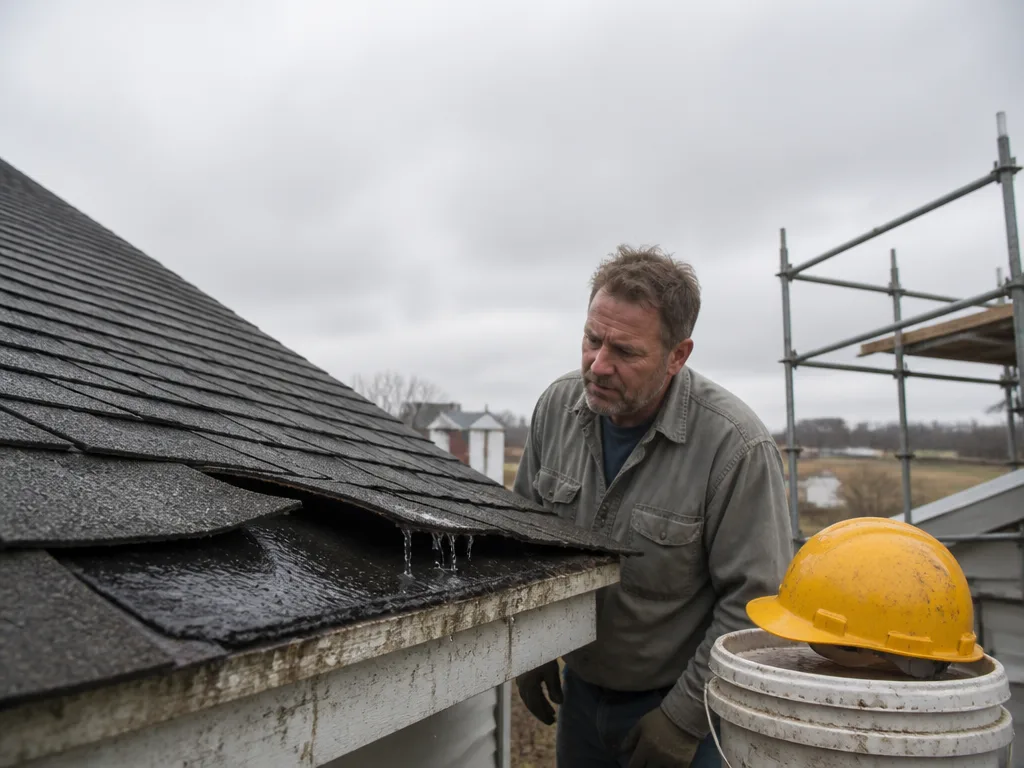
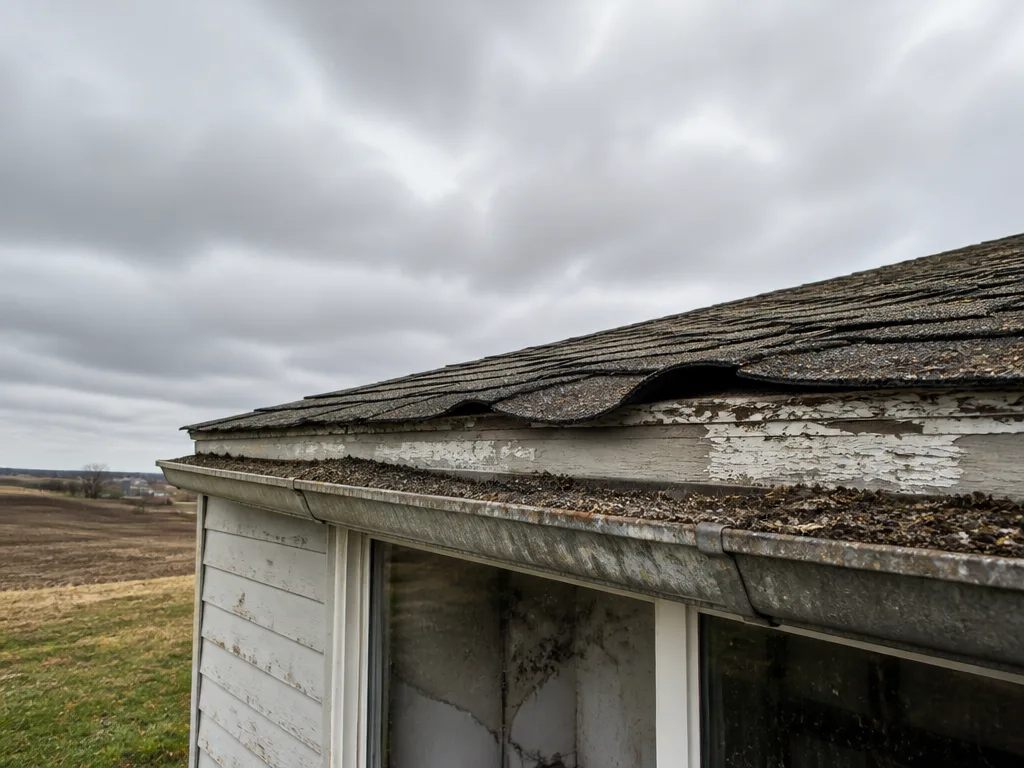
Roofing problems rarely show up all at once. In Iowa homes, the first clues are often subtle. Look for shingles that are curling, cupping, or lifting at the edges. Loose or missing shingles can expose underlying layers to moisture quickly. Pay attention to granule loss in gutters or on the ground after a windy day. If you notice more granules than usual, that’s a sign the roof is nearing the end of its life or is damaged in spots.
Another red flag is small, dark stains on ceilings or walls inside the attic. These are usually caused by leaks that sneak in around flashing, joints, or vent boot seals. In Iowa, seasonal temperature swings and heavy snowfall can push roofs beyond their limits, so be mindful after storms when hail size or hail frequency was noticeable.
What this means for your Iowa home
Early warning signs don’t just signal a repair; they point to the integrity of the entire roofing system. A roofer from Iowa Downspout & Gutters will inspect the shingles, underlayment, flashing, and ventilation to determine whether a fix or a replacement is appropriate. In many cases, a simple repair can extend the life of the roof, while more extensive wear calls for a plan that fits Iowa’s climate.
Regular inspections help homeowners budget and plan. If you have metal fasteners showing corrosion, or if flashing around chimneys and vents is cracked, those are issues to address sooner rather than later. Across Iowa, a proactive checkup is often cheaper than a full roof replacement from unexpected damage.
Next steps you can take
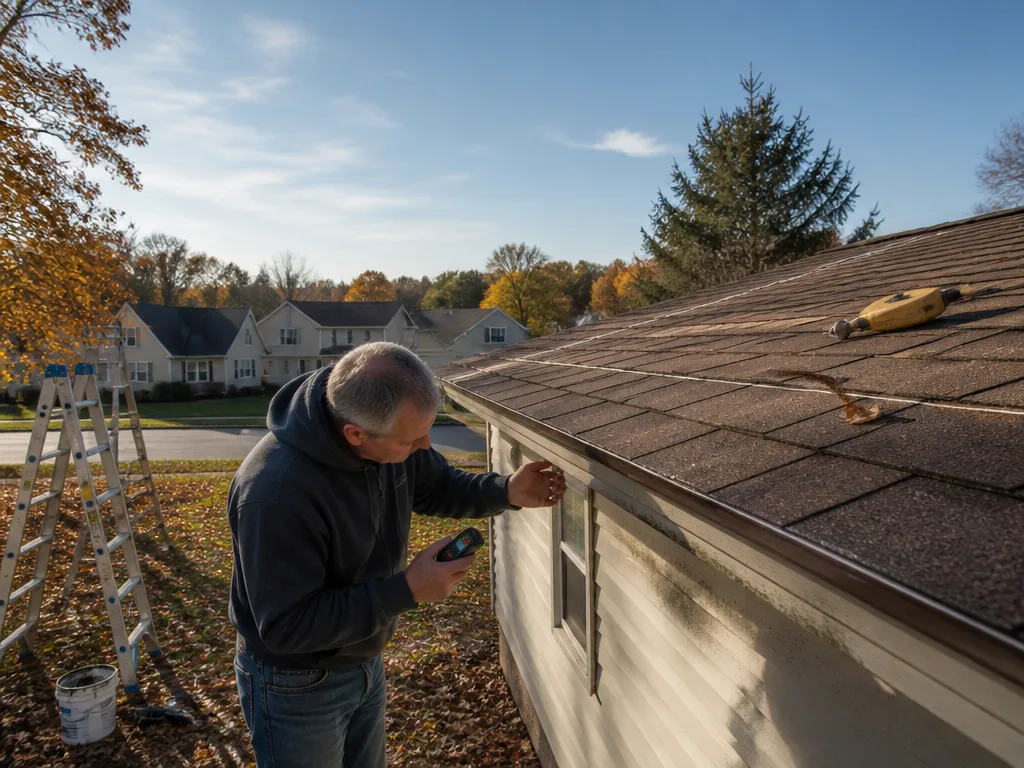
If you’re unsure whether you’re seeing signs of wear, schedule a no-pressure inspection with our team. We’ll walk you through what’s happening, show you the affected areas, and explain your options in plain language. For homeowners across Iowa, the goal is simple: keep moisture out and extend the life of the roof with smart, practical care.
- Check for curled shingles after winter storms.
- Look for granules in gutters after a windy period.
- Note any new attic stains or ceiling spots.